 English
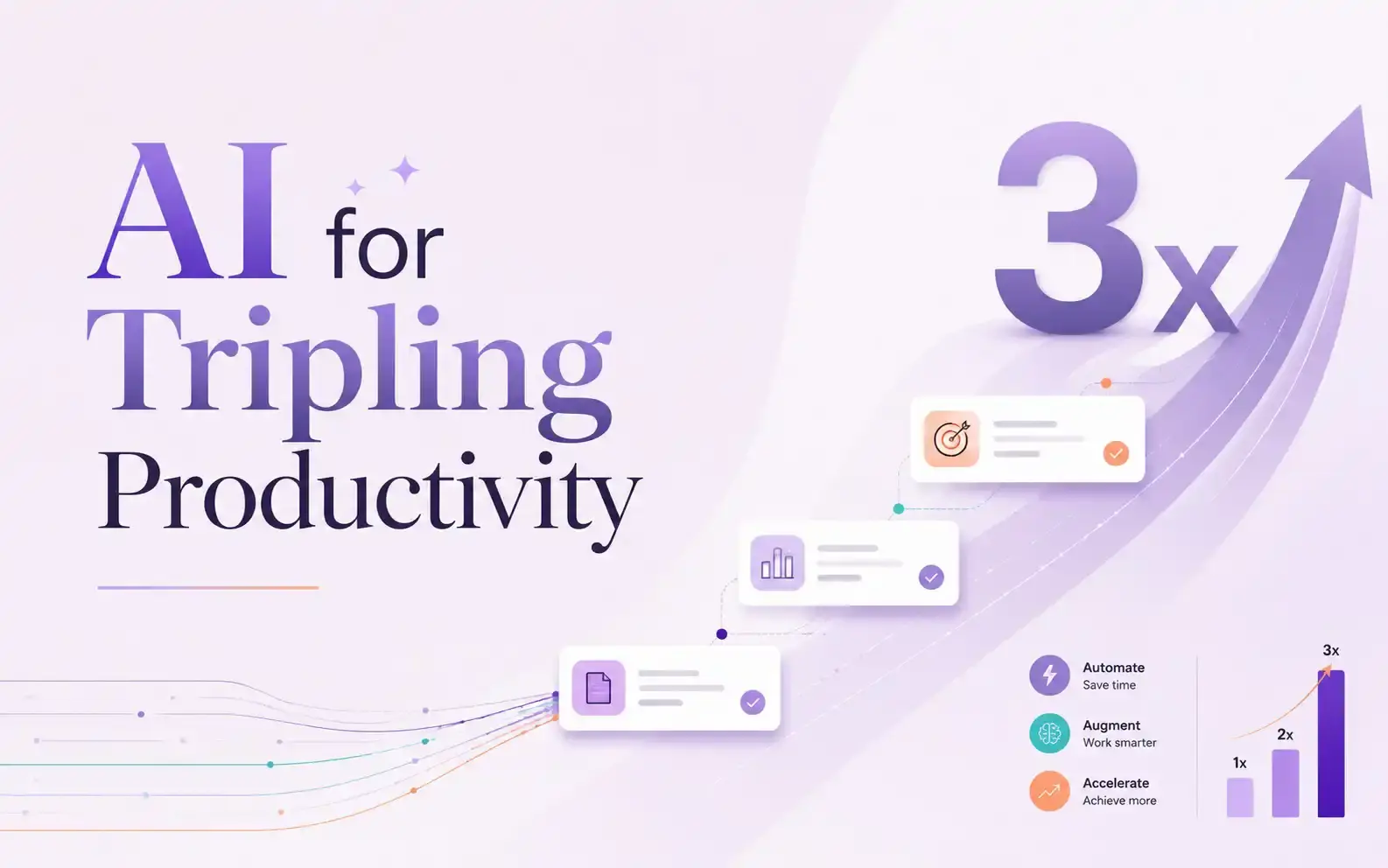
 AI for Tripling Productivity
AI for End Users Plus is an intermediate-level lesson designed to deepen the skills of users who already understand the basics of artificial intelligence. This course focuses on applying advanced AI tools to real-world tasks, enhancing productivity, creativity, and efficiency in professional and personal contexts. Learners will explore features such as AI-powered content creation, smart assistants, task automation, and data-driven decision support. The course also covers responsible AI use, including ethical considerations, privacy concerns, and how to critically evaluate AI-generated content. Whether you're aiming to work smarter, streamline workflows, or better collaborate with AI systems, this lesson equips you with the tools and mindset needed to use AI confidently and effectively.
- 4.8/5.0
- Last updated Jun 28, 2026
Course Overview
Introduction
- Artificial intelligence (AI) is rapidly transforming the way we approach productivity in both personal and professional environments. The "AI for Tripling Productivity" lesson is designed to demonstrate how AI technologies can dramatically enhance efficiency and output.
Key Focus Areas
- AI-Driven Tools: The lesson examines a variety of AI-powered tools that can streamline workflows and automate repetitive tasks, making it easier to accomplish more in less time.
- Automation Techniques: Learners are introduced to automation strategies that reduce manual effort, allowing them to focus on higher-value activities.
- Smart Workflows: The session covers intelligent workflow designs that help integrate AI seamlessly into daily routines, further boosting productivity.
Practical Applications
- Participants will explore effective methods for leveraging AI in several key areas:
- Task Management: Utilizing AI to organize, prioritize, and delegate tasks efficiently.
- Data Analysis: Applying AI tools to gather insights and make data-driven decisions faster.
- Communication: Enhancing collaboration and streamlining communication through AI-powered platforms.
- Decision-Making: Supporting smarter, quicker decisions by harnessing the analytical power of AI.
Outcomes
- By the end of the lesson, learners will be equipped with practical insights and actionable tips for integrating AI technologies into their daily routines. The ultimate goal is to empower users to triple their productivity by effectively harnessing the capabilities of AI.
Course Outlines
Introduction to Productivity and Artificial Intelligence
- Productivity is a critical factor in today’s rapidly evolving work environment. Organizations are continuously seeking innovative ways to improve efficiency, streamline operations, and stay competitive. The integration of artificial intelligence (AI) has become a transformative force, offering new opportunities to drive productivity improvements across industries.
An Overview of Productivity in Today's Evolving Environment
- Modern workplaces are characterized by fast-paced change and increasing complexity. As organizations adapt to new challenges, productivity remains a central focus. The adoption of advanced technologies, particularly AI, plays a pivotal role in shaping how work is organized and executed.
Analyzing the Impact of AI on Driving Productivity Improvements
- Artificial intelligence is reshaping the landscape of productivity by automating repetitive tasks, enhancing decision-making processes, and enabling smarter workflows. By leveraging AI tools, organizations can achieve higher output with less effort and optimize resource allocation.
Core AI Technologies Enhancing Productivity
- Implementation of Automation and Robotic Process Automation (RPA): Automation technologies, including RPA, enable organizations to automate rule-based tasks, significantly reducing manual labor and minimizing errors.
- Adoption of Natural Language Processing (NLP) Solutions: NLP allows computers to understand, interpret, and respond to human language, streamlining communication and information retrieval.
- Utilization of AI-powered Analytics and Actionable Insights: AI-driven analytics tools process vast amounts of data to uncover trends and provide actionable business insights, supporting informed decision-making.
AI-Driven Approaches to Task Management
- Intelligent Scheduling and Calendar Management Tools: AI-powered scheduling solutions optimize meeting times and calendar coordination, reducing administrative burdens.
- Automated Notification and Follow-Up Systems: These systems ensure timely reminders and follow-ups, enhancing accountability and workflow continuity.
- Advanced Workflow Optimization Platforms: AI platforms analyze workflows, identify bottlenecks, and recommend improvements to maximize productivity.
Improving Communication with Artificial Intelligence
- Enhanced Email Management through AI-Based Solutions: AI tools categorize, prioritize, and respond to email correspondence, improving communication efficiency.
- Integration of Chatbots and Virtual Assistants: Chatbots and virtual assistants provide instant responses and support, streamlining interactions within organizations.
- Real-Time Language Translation Services: AI-driven translation services enable seamless communication across language barriers, fostering global collaboration.
Data Analysis and Informed Decision-Making
- Organizing and Visualizing Structured Data Using AI: AI tools organize complex data sets and present them in accessible formats, aiding comprehension and analysis.
- Leveraging Predictive Analytics for Strategic Decisions: Predictive analytics anticipate trends and outcomes, supporting strategic planning and risk management.
- Comprehensive Reporting Enabled by AI Tools: Automated reporting systems generate detailed insights, enabling leaders to make data-driven decisions.
Strategies for Maximizing Productivity Gains
- Seamless Incorporation of AI Tools into Routine Operations: Integrating AI into daily workflows ensures consistent performance improvements and operational efficiency.
- Application of Proven Time Management Techniques and Best Practices: Combining AI solutions with established time management methods maximizes productivity benefits.
- Identifying and Addressing Common Barriers to Productivity: Recognizing and overcoming obstacles is essential for sustaining productivity gains driven by AI implementation.
Case Studies and Real-World Implementations
- Documented Successes in AI-Driven Productivity Initiatives: Real-world examples demonstrate how organizations have successfully leveraged AI to enhance productivity.
- Industry-Specific Examples and Use Cases: Various sectors are employing AI in unique ways to meet their specific productivity challenges and opportunities.
Looking Ahead: The Future of AI and Productivity
- Insight into Emerging Artificial Intelligence Technologies: The continued evolution of AI promises even greater advancements in productivity tools and methods.
- Strategic Planning for Ongoing Advancements in AI: Organizations must anticipate and prepare for future AI developments to maintain a competitive edge.
Conclusion and Recommendations
- Summary of Key Insights: AI is transforming productivity by automating tasks, enhancing communication, and supporting data-driven decision-making.
- Practical Roadmap for Leveraging AI to Enhance Organizational Productivity: By embracing AI technologies and best practices, organizations can unlock new levels of efficiency and achieve sustainable growth.
Course Objectives
Assess AI's influence on productivity in work and life.
- AI technologies are rapidly transforming both professional and personal spaces by streamlining processes and enabling smarter decision-making. Evaluating their impact involves analysing changes in workflow efficiency, accuracy, and time management.
- Recognize essential AI tools for efficiency and task automation.
- Key AI solutions such as chatbots, scheduling apps, and intelligent data analysis platforms help automate routine tasks. Familiarity with these tools empowers individuals to prioritize high-value activities.
- Apply AI solutions for managing tasks and communication.
- AI-powered project management software and smart email assistants can organize daily responsibilities and facilitate seamless communication across teams, ensuring deadlines are met and updates are easily tracked.
- Integrate AI into daily routines to enhance output.
- Incorporating AI applications, like virtual assistants or automatic reminders, into everyday workflows can boost productivity by reducing manual effort and minimizing distractions.
- Review examples of AI improving productivity.
- Case studies show that companies leveraging AI for inventory control or predictive analytics experience significant gains in efficiency and cost savings. Similarly, individuals benefit from personalized learning platforms and automated financial tracking.
- Stay prepared for upcoming advances in AI-driven productivity.
- Keeping up-to-date with emerging AI trends—such as generative models and adaptive algorithms—ensures readiness to adopt new tools and maximize future productivity opportunities.
Course Prerequisites
- Basic grasp of productivity and time management.
- Experience with digital tools like email, calendars, and task apps.
- Some AI knowledge is useful but not required.
- Openness to new technologies and workflow changes.
- Computer or smartphone with internet access for exploring AI tools.
- Willingness to collaborate and communicate effectively within diverse teams.
- Ability to troubleshoot common technical issues independently.
- Comfortable learning through online tutorials, forums, or peer mentoring.
- Adaptability to evolving software platforms and digital environments.
- Critical thinking skills to evaluate and implement new tools.
- Enthusiasm for continuous learning and professional growth.
- Attention to detail when managing digital tasks or data.
- Respect for privacy, security, and ethical considerations in technology use.
- Patience and persistence when adapting to unfamiliar tools or workflows.
Course Schedule
| Date | Days Left | Training Location | |
|---|---|---|---|
No schedules available | |||
Our Customer Reviews
4.8
(*)(*)(*)(*)(*)
Excellent
(*)(*)(*)(*)(*)
(*)(*)(*)(*)( )
( )( )( )( )( )
( )( )( )( )( )
( )( )( )( )( )
Olivia Chen
Practice tasks built confidence to automate email replies and meeting notes safely.
(*)(*)(*)(*)(*)
Henry Soliman
Clear framework for when to use AI vs. macros saved us from over-engineering.
(*)(*)(*)(*)(*)
Victoria Karim
Measurable outcomes focus was spot on; we now track hours saved in a simple dashboard.
(*)(*)(*)(*)(*)
This course includes
- Duration30 h
- VendoriExperts
- CategoryAI
- CertificateYes
Course Profile
Course Quiz
Test your knowledge with our course quiz! Answer a series of questions related to AI for Tripling Productivity.
Similar Courses
AI For End User
This course is a practical, tool-agnostic training program designed for professionals who want to leverage artificial intelligence in their daily work without needing a background in data science or programming. Participants will learn how AI interprets and processes human language, how to interact with AI tools effectively, and how to integrate AI into everyday tasks to enhance productivity, decision-making, and creativity.
- 35 h 4.9 (2457)
AI For End User Plus
This advanced lesson builds on foundational AI knowledge to help users unlock the full potential of AI tools in personal and professional settings. Learners will explore more powerful features of AI platforms, gain hands-on experience with smart assistants, content generators, and automation tools, and learn strategies for integrating AI into workflows. The course also emphasizes data awareness, ethical use, and decision-making with AI support—empowering users to use AI responsibly and effectively in real-world scenarios.
- 40 h 4.9 (1953)
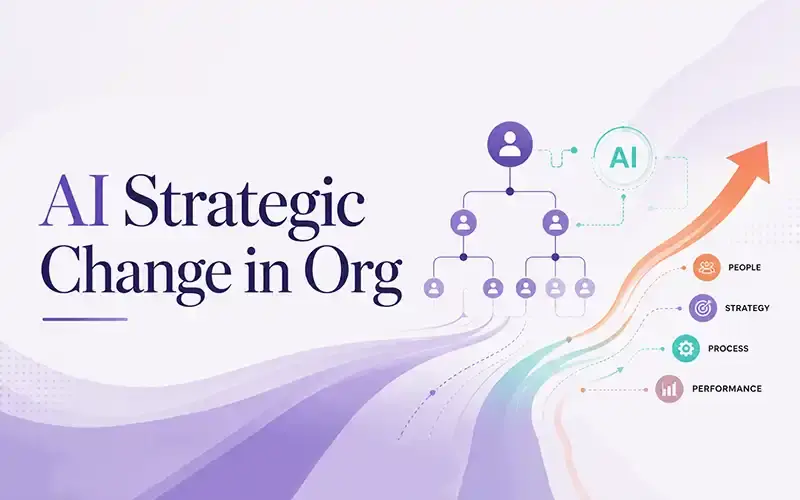
AI Strategic Change in Org
This course explores how Artificial Intelligence (AI) is transforming the way organizations operate, compete, and evolve. It focuses on strategic, organizational, and cultural implications of AI beyond technical aspects. Participants will learn to leverage AI for innovation, process optimization, and data-informed decision-making. The program covers aligning AI with business goals, assessing readiness, and creating an implementation roadmap. Through case studies and frameworks, learners will examine AI-driven transformation, including change management, cross-functional collaboration, and ethical considerations. By the end, participants will be equipped to lead AI initiatives that enhance efficiency, resilience, and long-term value.
- 16 h 4.9 (2998)
You may also like
Check out most 🔥 courses in the market
Certified Information Security Manager (CISM)
The Certified Information Security Manager (CISM) course provides essential expertise in designing, managing, and governing enterprise information security programs. It equips you to align security strategies with business objectives, conduct risk assessments, and implement effective controls. You will learn to manage incident response, evaluate vulnerabilities, and ensure organizational compliance. The program also builds leadership and communication skills to promote a strong security culture. Earning CISM validates your ability to lead security initiatives that protect assets and support business success.
4.8
(2135)
Certified in the Governance of Enterprise IT (CGEIT)
The Certified in the Governance of Enterprise IT (CGEIT) course equips experienced professionals to lead and optimize enterprise IT governance. It focuses on aligning IT strategies with business objectives, maximizing value delivery, and ensuring effective risk and resource management. Participants gain a strong understanding of governance frameworks, strategic alignment, and accountability structures. The course also covers key components such as policies, processes, SLAs/OLAs, and data integrity. Graduates will be able to design, implement, and monitor robust IT governance systems that enhance organizational performance.
4.8
(1743)
Certified Information Systems Auditor (CISA)
The Certified Information Systems Auditor (CISA) course equips professionals to audit, control, and secure IT systems effectively. Participants learn to assess IT governance, evaluate system performance, and manage risks and compliance. The course covers data protection, internal controls, and business continuity planning. It prepares attendees for the CISA exam and roles such as IT auditor, risk manager, and compliance officer. Certification validates expertise in IT governance and adherence to global standards.
5
(2398)
Dora Lead Manager
The DORA (Digital Operational Resilience Act) Lead Manager course equips senior professionals with the skills and knowledge needed to oversee, manage, and ensure compliance with the DORA framework in financial institutions and related ICT service providers. This program covers operational resilience strategies, ICT risk management, incident handling, reporting requirements, and oversight of third-party providers, enabling participants to lead their organizations in meeting the EU’s regulatory expectations effectively.
4.9
(2000)
ISO 9001 Lead Implementer
The ISO 9001 Lead Implementer training course equips participants with the necessary knowledge and skills to support an organization in establishing, implementing, managing, and maintaining a Quality Management System (QMS) based on ISO 9001:2015. This course provides a practical methodology for the implementation process by applying best practices and aligning with international quality management standards. By the end of the course, participants will gain hands-on expertise in leading implementation projects, managing teams, and preparing organizations for certification audits.
4.8
(3000)